Humidity can quietly turn a clean home into a breeding ground for mould, mildew and unpleasant odours. When the air holds too much moisture, surfaces stay damp for longer, fabrics absorb moisture and hidden corners become perfect spots for bacteria to thrive. Whether you live near the coast or experience seasonal humidity spikes; maintaining a fresh and hygienic home requires a slightly different approach.
High humidity does not just affect daily living; it also plays a major role when preparing for inspections or moving out. Tasks such as top quality vacate cleaning Perth can become more challenging in damp conditions, as mould growth and moisture stains are more likely to develop. This article will provide you with a few house cleaning tips for high humidity conditions. With the right cleaning habits and preventive measures; you can keep your home spotless and protect it from humidity related damage.
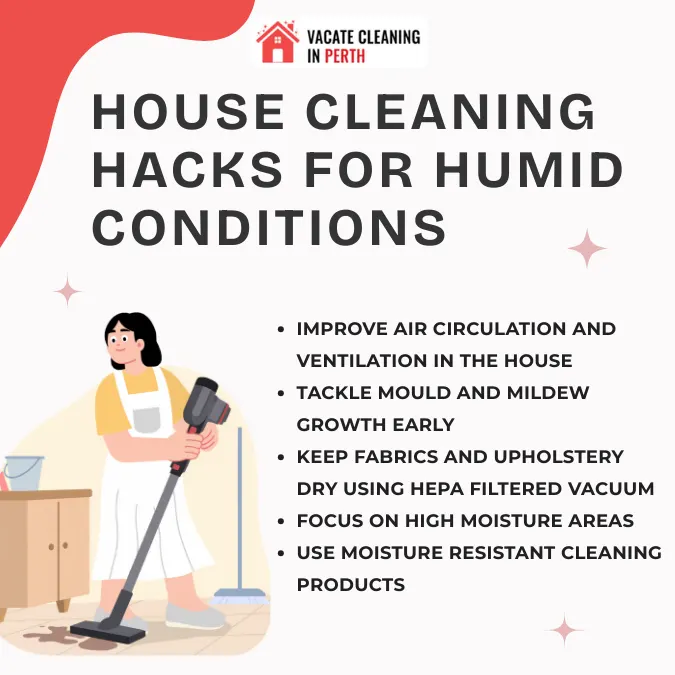
- Improve Air Circulation and Ventilation in the House
- Tackle Mould and Mildew Growth Early
- Keep Fabrics and Upholstery Dry Using HEPA Filtered Vacuum
- Focus on High Moisture Areas
- Use Moisture Resistant Cleaning Products
- Maintain Floors and Walls Properly
- Infographic For House cleaning hacks for humid conditions
- Wrapping Up
1. Improve Air Circulation and Ventilation in the House
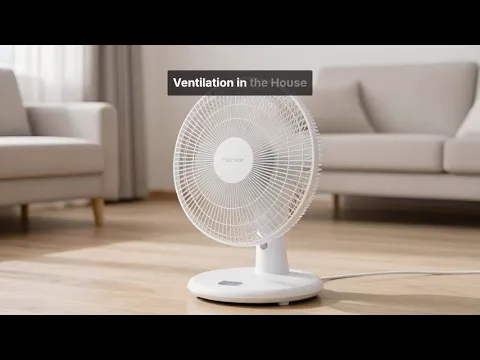
One of the most effective ways to manage high humidity indoors is by improving airflow. Open windows during dry, breezy hours of the day to allow fresh air to circulate. Use an exhaust fan in the kitchen, bathrooms and laundry room to remove excess moisture immediately after cooking or showering. Ceiling fans can also help maintain steady air movement; preventing moisture from settling on walls and ceilings.
If natural ventilation is not enough, then consider using a dehumidifier. This device helps maintain indoor humidity levels ideally between 40% to 60%. Lower humidity levels reduce the chances of mould formation and help your cleaning efforts last longer. Proper ventilation is especially important when preparing for inspection or vacate cleaning Perth services, as damp odours and mildew stains can lead to bond deductions.
2. Tackle Mould and Mildew Growth Early
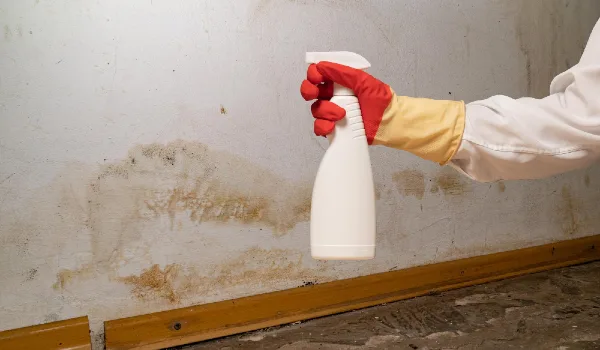
Humidity creates the perfect environment for mould and mildew to grow, particularly in bathrooms, kitchens and wardrobes. Check areas like shower grout, window sills, under sinks and behind furniture regularly. Early detection allows you to treat small patches before they spread and become more difficult to remove.
For minor mould spots, a mixture of white vinegar and water works effectively as a natural cleaner. Spray the solution, let it sit for 10 to 15 minutes, then scrub gently and wipe dry. For more stubborn stains, use a mild bleach solution but always ensure proper ventilation and wear gloves. Preventive cleaning is key, as landlords pay close attention to mould issues in humid properties during inspections.
3. Keep Fabrics and Upholstery Dry Using HEPA Filtered Vacuum
Soft furnishings like curtains, carpets, sofas, and mattresses easily absorb moisture from the air. Over time, this can cause musty smells and even hidden mould growth. Regular vacuuming helps reduce trapped moisture and dirt particles while occasional steam cleaning can deeply sanitise fabrics. However, ensure that steam cleaned items are completely dry to prevent further dampness.
Avoid drying clothes indoors without proper ventilation, as this increases indoor humidity significantly. If outdoor drying isn’t possible, use a well ventilated room with a dehumidifier running. When moving out of a rental property; thoroughly drying carpets and upholstery is essential for vacate cleaning standards, as lingering dampness may cause inspection failures.
4. Focus on High Moisture Areas
Bathrooms and kitchens are the most vulnerable spaces in humid homes.
- In bathrooms, wipe down tiles, shower screens and taps after each use to prevent water buildup.
- Regularly clean grout lines to reseal them if necessary to stop moisture from seeping through.
- Installing water resistant paint can also provide added protection.
- In kitchens, wipe countertops and cabinets immediately after cooking.
- Grease combined with humidity can create sticky surfaces that attract bacteria.
- Do not forget to clean behind appliances like refrigerators or dishwashers, where moisture often accumulates unnoticed.
During detailed cleaning sessions, especially before vacate cleaning procedures; these hidden areas require special attention to ensure a thorough finish.
5. Use Moisture Resistant Cleaning Products
Choosing the right cleaning products makes a significant difference in humid conditions. Opt for anti mould sprays, moisture resistant paints and cleaning agents specifically designed for damp environments. These products not only remove dirt, but also create protective barriers against future moisture damage.
Microfibre cloths are particularly effective in humid homes because they absorb moisture quickly and dry faster than regular cloths. After cleaning, always dry surfaces completely instead of leaving them to air dry. This simple step prevents water spots and mould formation. When preparing for a professional vacate cleaning Perth service, moisture resistant products help maintain a polished and long lasting result.
6. Maintain Floors and Walls Properly
Different flooring materials react differently to humidity. Wooden floors may warp or swell, while tiles can develop mouldy grout lines. Use appropriate cleaners based on your floor type, and ensure floors are completely dry after mopping. Avoid overusing water, as excess moisture can seep into cracks and cause long term damage.
Walls and ceilings should also be inspected regularly for peeling paint or damp patches. If you notice condensation forming frequently, consider applying anti condensation paint or installing better ventilation systems. Proactive maintenance reduces the workload during major cleaning tasks and ensures your home remains fresh despite humid weather conditions.
Infographic For House cleaning hacks for humid conditions
Wrapping Up
Cleaning in humidity conditions requires consistency, proper ventilation and the right tools. Small preventive actions taken daily can save you from major cleaning challenges later. If you are preparing to move out; humidity related issues can complicate inspections. With the right strategies, even the most humid environment can be kept clean, fresh and inviting.