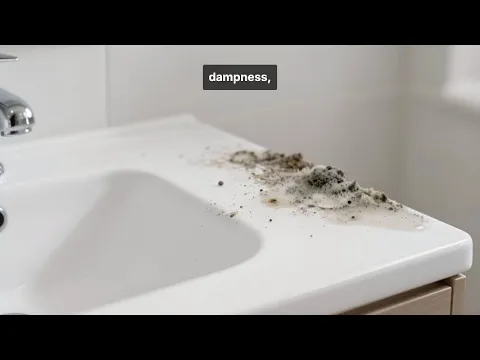
Bathroom condensation is a common problem in many homes, especially during colder months. It happens when warm, moist air from hot showers or baths comes into contact with cold surfaces like mirrors, windows, tiles and walls. This creates water droplets that can lead to mould growth, peeling paint, damp smells and even long term structural damage if ignored.
This article will let you know how to prevent bathroom condensation. Many homeowners underestimate the impact of condensation until it starts affecting the appearance and hygiene of their bathrooms. Excess moisture can also make cleaning more difficult and create stubborn stains on walls and ceilings. This is why proper moisture control is important, particularly before moving out of a rental property or booking budget vacate cleaning Perth service, to make sure that the bathroom looks fresh and damage free.
- What is Bathroom Condensation?
- What Causes Condensation in Bathrooms?
- Why is Bathroom Condensation Harmful?
- How Does Proper Ventilation Prevent Bathroom Condensation?
- How Can Warm and Dry Surfaces Prevent Condensation?
- What Are the Best Ways to Prevent Mould from Condensation?
- How Do Moisture Absorbers Help Control Bathroom Humidity?
- Infographic: Easy Ways to Prevent Bathroom Condensation
- Wrapping Up
1. What is Bathroom Condensation?
Bathroom condensation happens when warm, moist air from hot showers or baths comes into contact with cold surfaces such as mirrors, windows, walls, and tiles. The moisture in the air turns into tiny water droplets, leaving surfaces damp and foggy. This is one of the most common moisture problems in bathrooms, especially during winter or in poorly ventilated homes.
If condensation is not controlled, it can lead to mould growth, peeling paint, bad odours, and damage to walls or ceilings over time. Excess moisture can also make cleaning more difficult and affect the overall hygiene of the bathroom. This is why many homeowners focus on preventing condensation before arranging professional vacate cleaning Perth services to keep the bathroom clean, fresh, and damage free.
2. What Causes Condensation in Bathrooms?
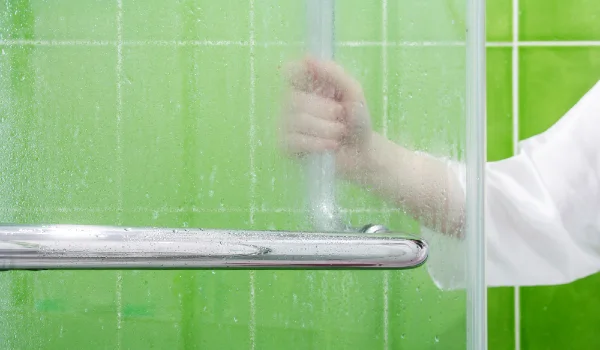
The main cause of bathroom condensation is excess humidity. Activities such as hot showers, baths and running hot water produce steam that increases moisture levels in the air. When this warm air touches colder surfaces, the moisture turns into water droplets.
Poor ventilation also makes the problem worse. Bathrooms without exhaust fans, windows or proper airflow trap humid air inside the room. Over time, this constant moisture buildup creates ideal conditions for mould, mildew, and bacteria to grow.
3. Why is Bathroom Condensation Harmful?
Condensation may seem harmless at first, but continuous moisture can cause serious damage. Damp walls and ceilings often lead to peeling paint, swollen wood, stained grout and mould patches. These issues not only affect the look of the bathroom but can also reduce the value of the property.
It can also impact health. Mould spores caused by excessive moisture may trigger allergies, asthma, and respiratory problems. This is especially concerning for children, elderly family members, and people with existing breathing conditions. Preventing condensation helps maintain both a healthy home and a clean bathroom environment.
4. How Does Proper Ventilation Prevent Bathroom Condensation?
One of the most effective ways to prevent condensation, is by improving ventilation. Exhaust fans help remove humid air quickly and keep moisture levels under control. Always switch on the exhaust fan before showering and leave it running for at least 15 minutes afterwards.
Opening windows and doors can also improve airflow naturally. Even slightly opening a bathroom window after a shower allows steam to escape faster. If your bathroom lacks ventilation, consider upgrading to a stronger extraction fan to minimise moisture buildup.
5. How Can Warm and Dry Surfaces Prevent Condensation?
Cold surfaces attract condensation more quickly. Keeping your bathroom slightly warmer can help reduce the difference in temperature between the air and surfaces. Heated towel rails, underfloor heating, or proper insulation can make a noticeable difference.
Drying towels and bath mats regularly is equally important. Wet fabrics increase humidity levels inside the bathroom and contribute to lingering dampness. Regular cleaning and drying routines are especially useful before scheduling vacate cleaning Perth services to ensure the bathroom remains mould free and well maintained.
6. What Are the Best Ways to Prevent Mould from Condensation?
Stopping mould early helps keep your bathroom clean and fresh. Simple cleaning habits can prevent moisture from turning into mould problems.
- Clean tiles, grout, and bathroom corners regularly.
- Use mild cleaners or vinegar based cleaners to remove moisture.
- Check behind cabinets and around windows for damp areas.
- Look at ceiling corners where moisture can build up.
- Clean damp spots quickly to stop mould from spreading.
- Regular cleaning helps keep the bathroom fresh and hygienic.
7. How Do Moisture Absorbers Help Control Bathroom Humidity?
Moisture absorbers and dehumidifiers can help control humidity levels in bathrooms with poor airflow. Small portable dehumidifiers work well in compact spaces and remove excess moisture from the air efficiently.
You can also use simple household solutions like moisture absorbing crystals or charcoal bags. These products help reduce dampness and minimise unpleasant odours. Combined with proper ventilation and cleaning, they offer an effective way to manage bathroom condensation.
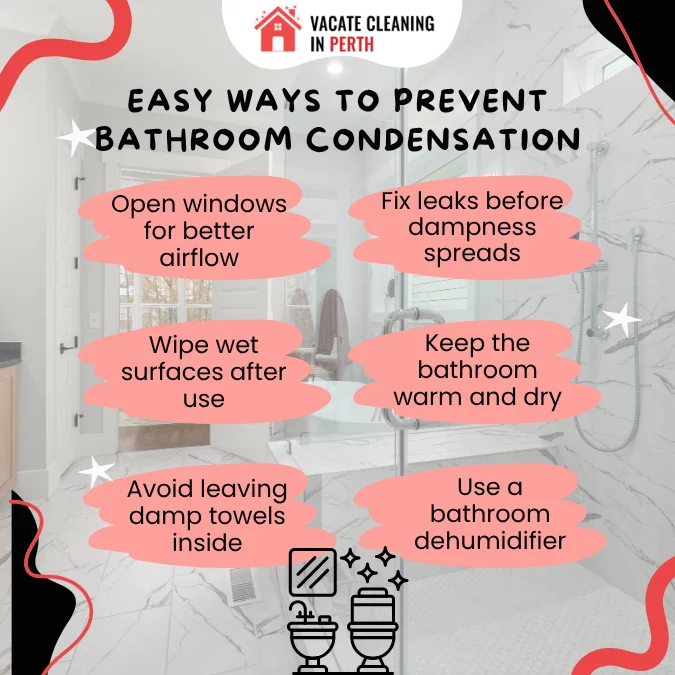
Infographic: Easy Ways to Prevent Bathroom Condensation
Wrapping Up
Bathroom condensation is more than just foggy mirrors and wet walls. If left untreated, it can lead to mould, unpleasant smells, damaged surfaces, and health concerns. Understanding the causes of condensation is the first step towards preventing long term moisture problems. Whether you want to maintain a healthier home or prepare for a professional vacate cleaning service, preventing bathroom condensation will help keep your bathroom clean, dry, and damage free.