Sneezing fits, itchy eyes, and constant sniffles can turn your home from a place of comfort into a source of irritation. For many households, allergens like dust, pet dander, mould and pollen quietly build up in corners, fabrics and air vents; often go unnoticed until symptoms kick in. However, a few smart cleaning habits can significantly reduce these triggers and help you breathe easier every day.
Whether you’re managing allergies year round or preparing for a seasonal flare up, keeping your home allergen free doesn’t have to feel overwhelming. With the right techniques, tools, and a consistent routine, you can create a cleaner, healthier living environment. This article will provide you with cleaning hacks to reduce sneezing and allergies at home. These practical cleaning tips are not only effective but also easy to incorporate into your weekly schedule, making them especially useful if you're preparing for quality vacate cleaning Perth inspections.
1. Dust Smartly, Not Just Frequently
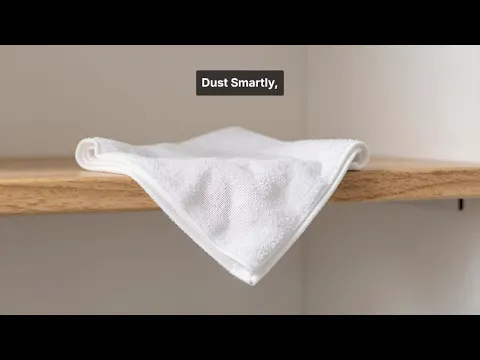
Dust is one of the biggest reasons behind indoor allergies, but simply wiping surfaces isn’t always enough. Traditional dusting methods, usually push particles into the air where they can resettle elsewhere. Instead, use a damp microfibre cloth, that traps dust effectively rather than dispersing it. This method ensures, the allergens are removed rather than circulated throughout your home.
Focus on overlooked areas such as ceiling fans, curtain rods and skirting boards. These spots accumulate dust over time and can easily trigger sneezing if ignored. Make it a habit to dust from top to bottom, so that any falling particles are cleaned up as you go. This structured approach, makes your cleaning more efficient and significantly reduces allergen buildup.
2. Vacuum with the Right Technique and Tools
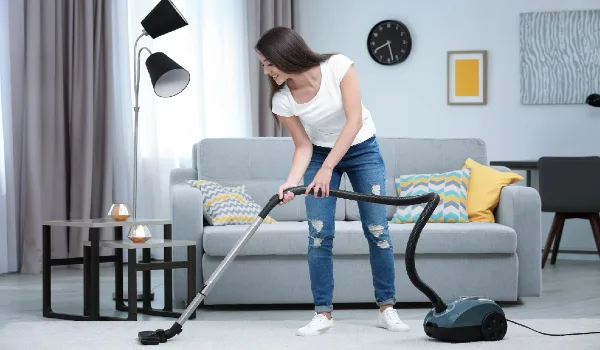
Vacuuming is essential but not all vacuums are created equal especially when it comes to allergies. Opt for a vacuum cleaner with a HEPA filter which is designed to capture tiny particles like pollen, pet dander and dust mites. Without this feature, allergens can be released back into the air during cleaning.
In addition to using the right machine, your technique matters. Vacuum slowly to allow the machine enough time to pick up embedded dirt. Pay extra attention to carpets, rugs and upholstered furniture, as these surfaces tend to trap allergens deeply. Regular vacuuming at least twice a week can dramatically improve indoor air quality and align with professional standards like vacate cleaning Perth requirements.
3. Wash Fabrics That Trap Allergens
Soft furnishings such as curtains, cushions, bedding and rugs are magnets for allergens. These items often hold onto dust, pet hair and pollen; making them a hidden source of irritation. Washing them regularly in hot water helps eliminate dust mites and other allergens effectively.
Don’t forget items like pillow covers and throws, which come into close contact with your skin and face. If washing everything frequently isn’t practical, consider switching to allergy friendly materials or using washable covers. Keeping these fabrics clean not only reduces sneezing but also enhances the overall freshness of your home.
4. Control Moisture to Prevent Mould Growth
Mould thrives in damp environments and is a common trigger for respiratory issues and allergies. Bathrooms, kitchens and laundry areas, are especially prone to moisture buildup. To combat this, ensure proper ventilation by using exhaust fans or opening windows whenever possible.
Regularly check for leaks under sinks, around taps, and near appliances. Even small water leaks can lead to mould growth if left unattended. Cleaning surfaces with mild anti mould solutions and keeping areas dry can make a big difference. By controlling moisture levels; you not only prevent mould but also maintain a healthier indoor environment overall.
5. Declutter to Minimise Allergen Build Up
Clutter doesn’t just make your home look messy; it also creates more surfaces for dust and allergens to settle. Items like stacks of books, decorative pieces and unused belongings can quickly become dust collectors. Reducing clutter makes cleaning easier and more effective.
Adopt a minimalist approach where possible; keeping only what you truly need or use regularly. Use closed storage solutions like cabinets and boxes to limit exposure to dust. This simple shift not only improves cleanliness but also contributes to better air quality, making your home more allergy friendly.
6. Improve Indoor Air Quality
Cleaning surfaces is only part of the solution; what’s in the air matters just as much. Air purifiers with HEPA filters can help remove airborne allergens; providing immediate relief for those prone to sneezing and irritation. These devices are especially useful during high pollen seasons.
In addition to using air purifiers, make it a habit to let fresh air circulate through your home. Open windows during low pollen times of the day and avoid using harsh chemical cleaners, that may irritate your respiratory system. A combination of clean surfaces and fresh air can transform your home into a healthier space.
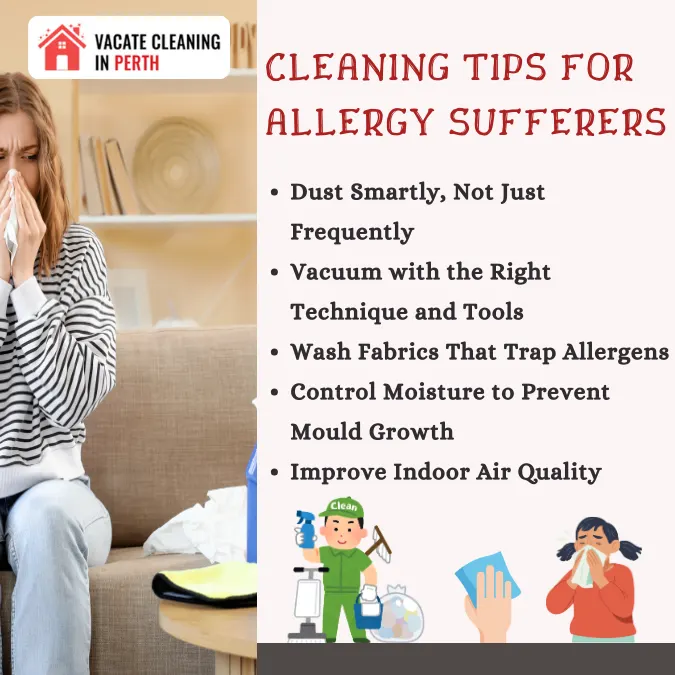
Infographic For Cleaning Tips For Allergy Sufferers
Wrapping Up
Reducing sneezing and allergies at home doesn’t require drastic changes, just smarter cleaning habits and a bit of consistency. Whether you’re maintaining your home for everyday comfort or preparing for a thorough vacate cleaning Perth inspection, these hacks ensure your space stays clean, fresh and allergy free. By making these practices part of your routine, you’ll not only breathe easier but also enjoy a healthier and more comfortable living environment every day.